The current SaaS market is a gold rush of "AI-powered" features that often feel like a distraction. For most business owners and high-level executives, the problem isn't a lack of tools. The problem is a lack of architecture. You are being handed a thousand high-tech bricks but no blueprint for the house.
To stay ahead, you have to move past the novelty of AI and start looking at specific technologies that shift your unit economics. The goal is to identify which "bricks" are worth your investment before you attempt to build the wall.
1. Nano Banana 2: The End of Stock Imagery
Visual identity is usually the first thing to suffer when a company tries to scale its content. Standard stock photos feel cheap and high-end photo shoots are too slow to keep up with a modern marketing cycle. Nano Banana 2—the engine behind Gemini 3 Flash Image—has effectively changed the math for creative production.
What works great: It is a state-of-the-art model designed for high-fidelity text-to-image generation and multi-image composition. You can feed it your existing product shots and brand style guides to generate infinite assets that actually look like your brand.
The downside: Like all generative models, it requires a clear "Brand Vault" of reference images to avoid drifting into generic territory. Without a controlled set of inputs, you risk losing your visual signature.
2. Lovable: Prototyping at the Speed of Thought
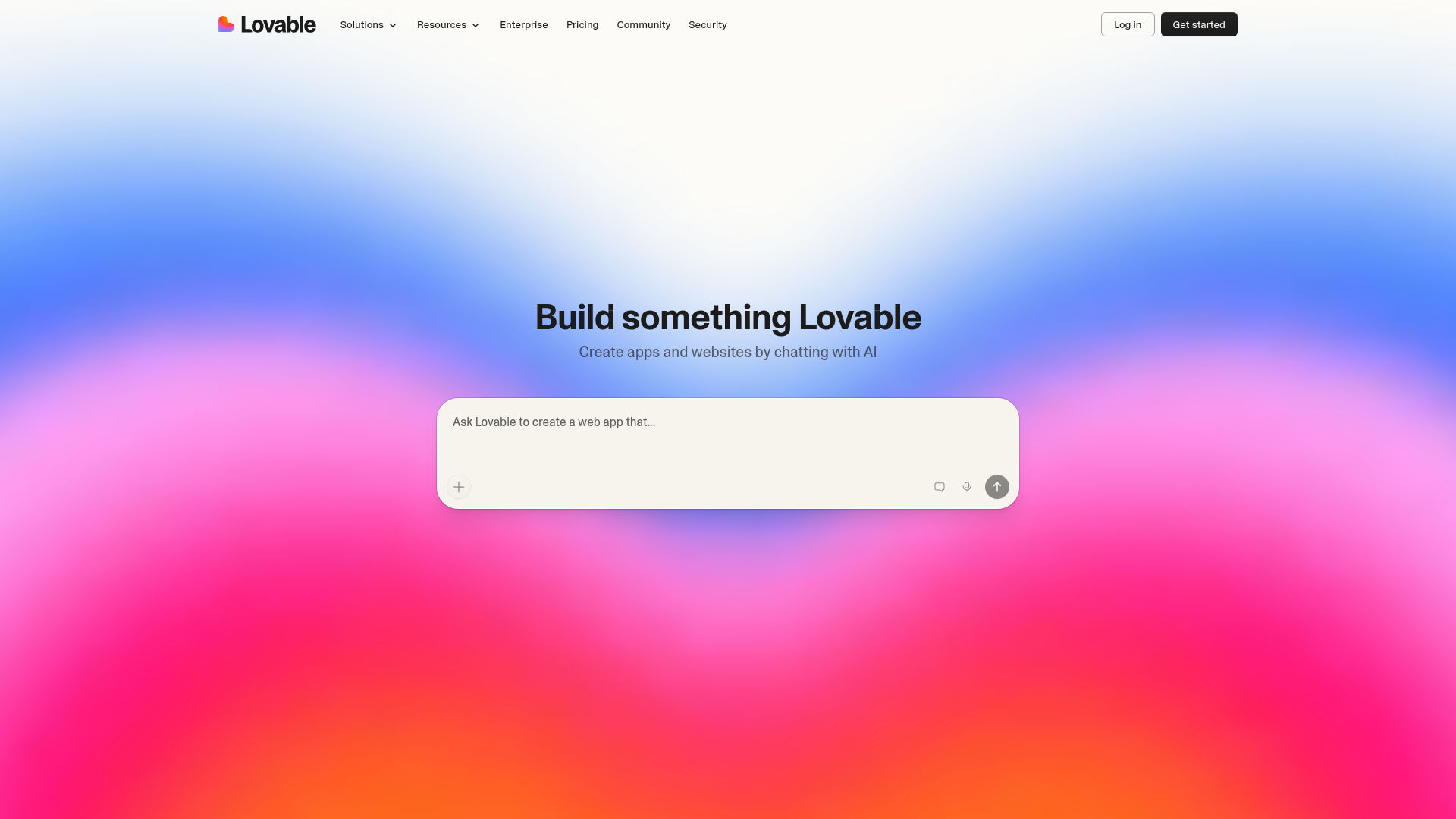
If you are still waiting weeks for a developer to spin up a landing page or a functional internal tool, your business is operating with a 2022 mindset. Lovable is a full-stack development tool that allows you to describe a web application and watch it get built in real-time.
What works great: It handles the front-end, the back-end, and the deployment in a single workflow. It allows you to build with a connected database and export code directly to GitHub.
The downside: While it's incredible for rapid prototyping and internal tools, highly complex, high-traffic enterprise applications still require a human engineer to oversee the final security and performance audits.
3. Framer: High-Motion Design for Enterprise Authority
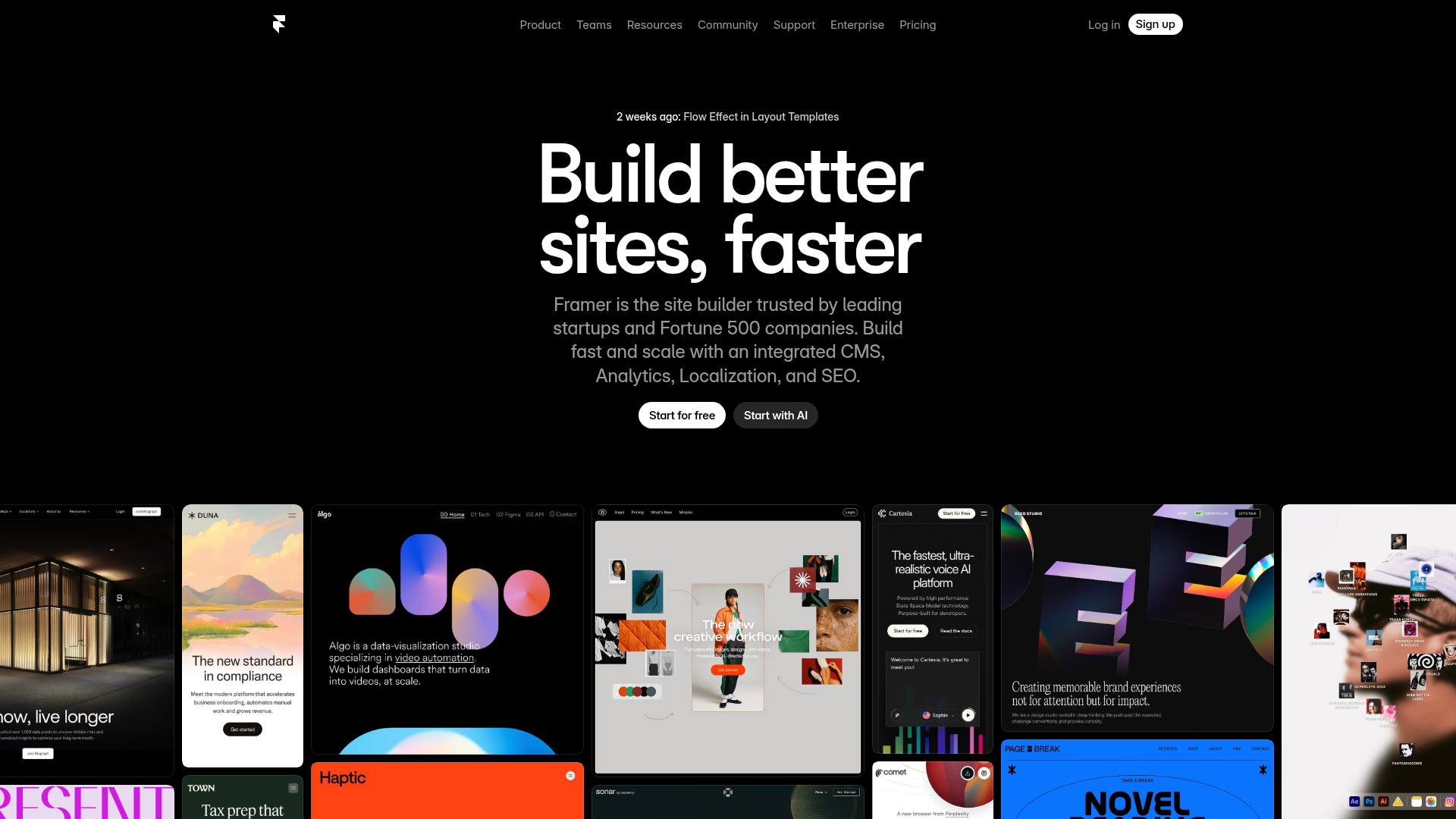
Framer has evolved from a simple prototyping tool into a high-end web production engine. For businesses that need to project authority, "plain" websites no longer cut it.
What works great: Its AI features allow for high-motion layouts—parallax tracks, bento grids, and complex animations—that used to require a boutique agency and a six-figure budget. It's the gold standard for looking like an enterprise-grade player without the overhead.
The downside: The learning curve is steeper than a basic drag-and-drop builder like Wix. If your team doesn't understand design fundamentals, it's easy to over-animate and clutter the user experience.
4. Clay: The Intelligence Layer for Modern Sales
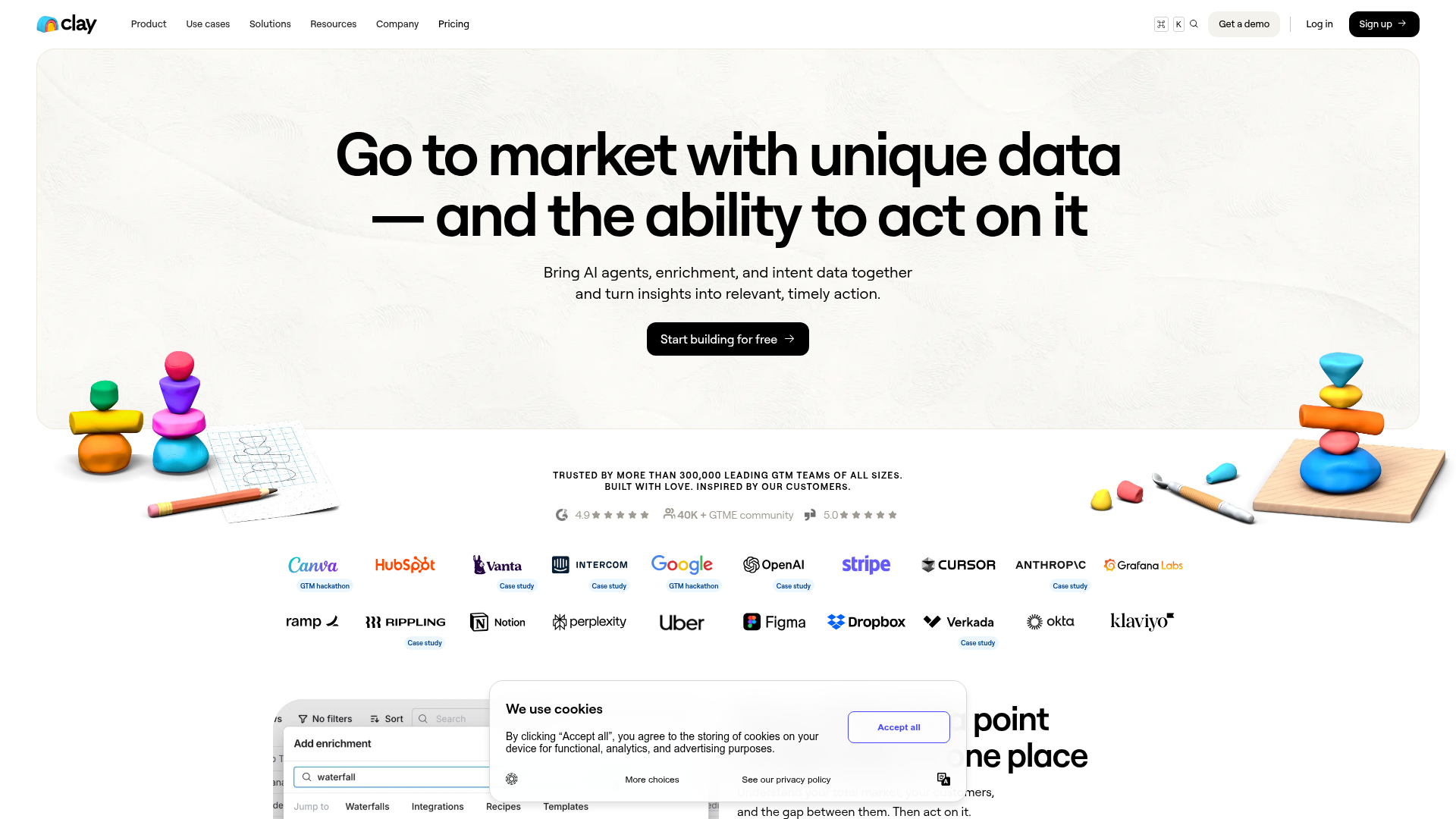
For any B2B organization, Clay is currently the most significant "unfair advantage" in the market. It is an orchestration layer for prospect data.
What works great: It can scrape a prospect's LinkedIn, find their latest podcast appearance, and summarize their quarterly earnings report in seconds. It allows one sales rep to perform the research of an entire team in thirty seconds.
The downside: It is expensive. If you don't have a high-ticket offer or a clear outbound strategy, the cost-per-lead can eat into your margins quickly.
5. n8n: The Engine Room of Complex Automation
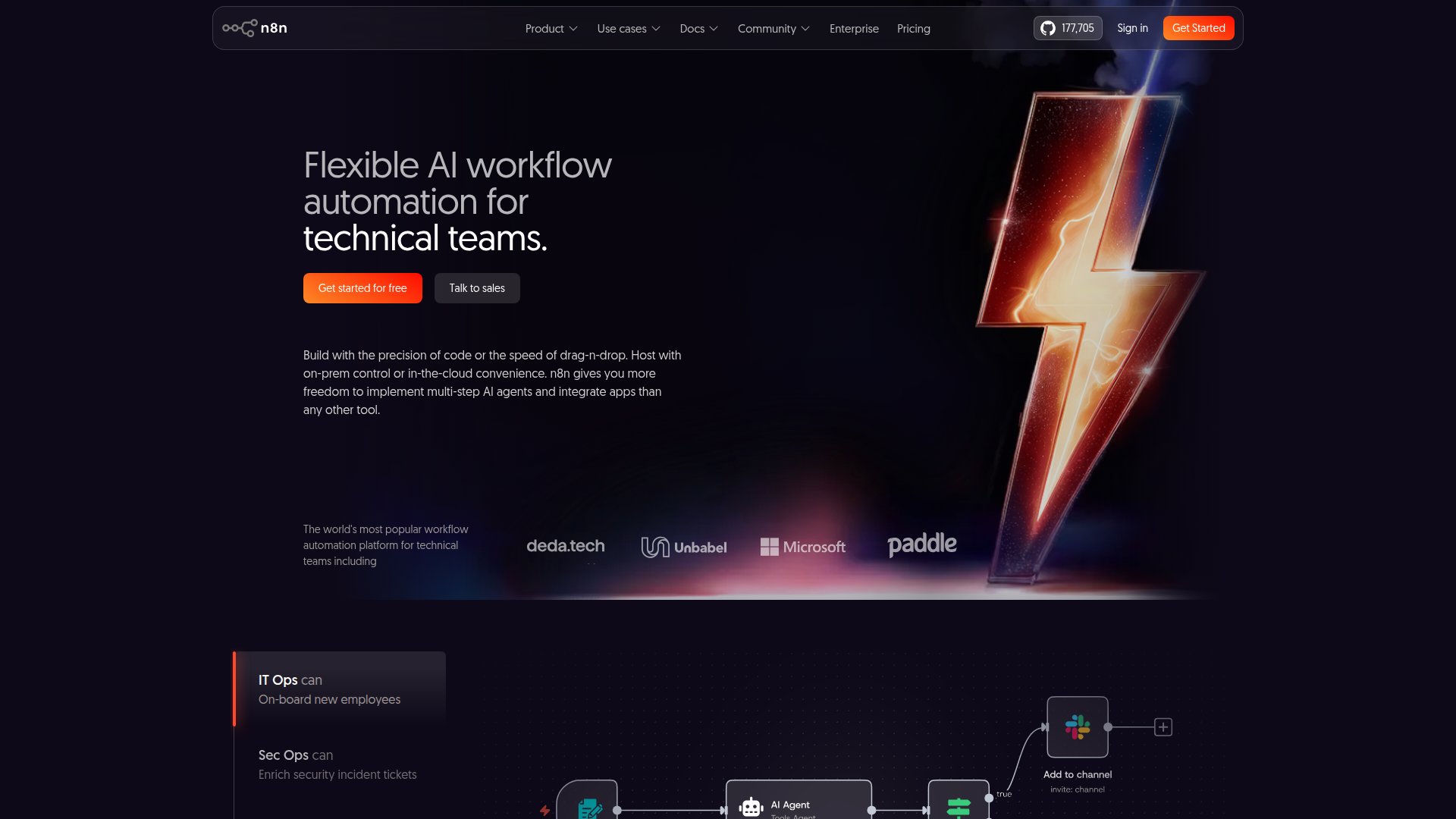
While tools like Zapier are great for simple tasks, they often break when a business needs complex, multi-step logic. n8n is an open-source, self-hostable automation platform that gives you total control.
What works great: It natively supports advanced logic like loops and conditional branches that are impossible on other platforms. It can be self-hosted on your own servers, ensuring sensitive data never leaves your environment—a must for fintech or healthcare.
The downside: It is a "low-code" tool, not a "no-code" tool. You need someone with a technical mind to build and maintain these workflows so they don't become a tangled mess of "digital spaghetti."
6. Perplexity Pages: Instant Authority at Scale
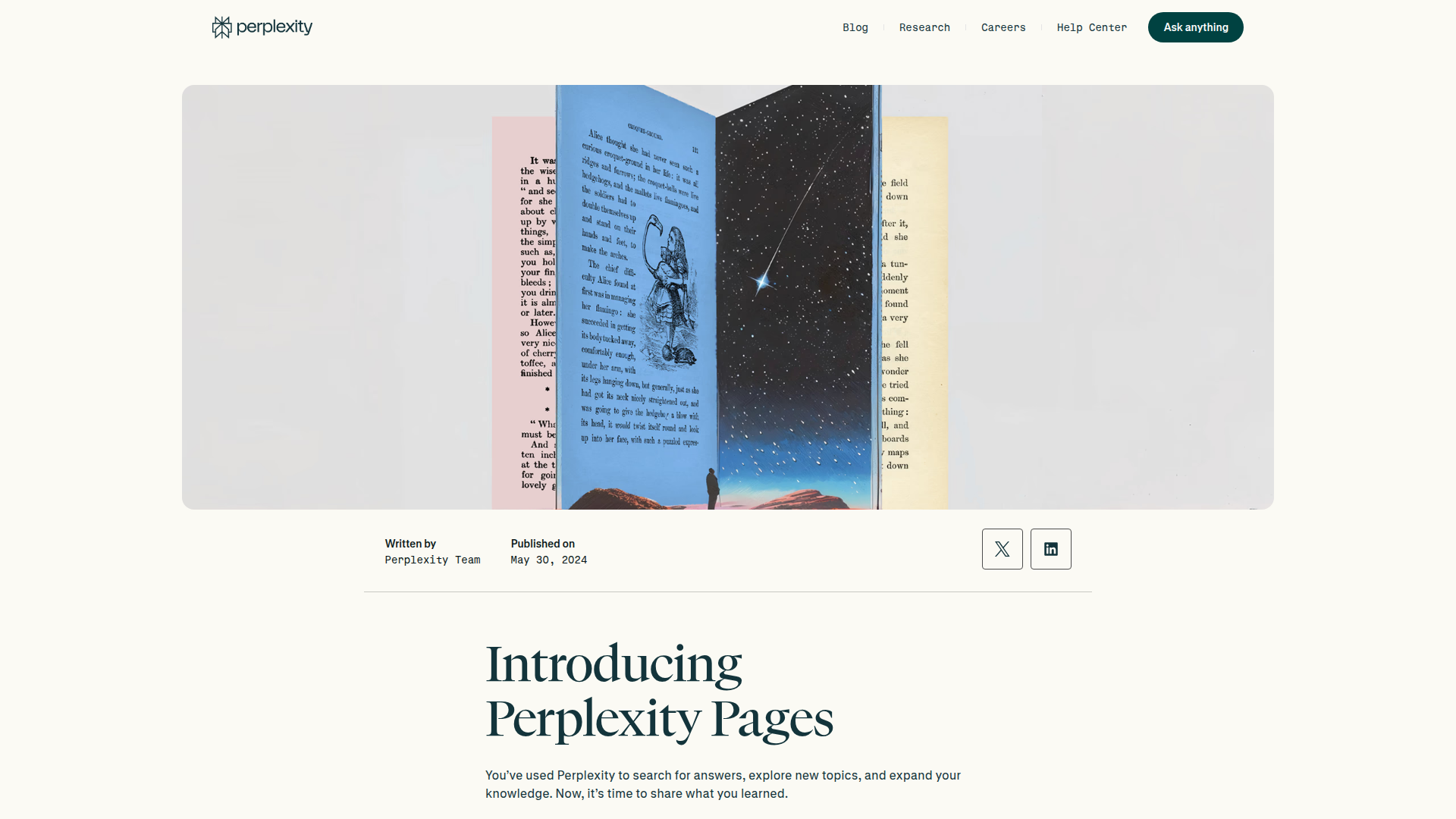
Content marketing usually requires a team of writers weeks of research. Perplexity Pages takes their world-class search engine and turns it into a high-fidelity content creator.
What works great: It researches a topic across the live web and organizes it into a professional, cited report or blog post in seconds. It's perfect for generating "State of the Industry" whitepapers based on real-time data.
The downside: It is so easy to use that it can lead to "lazy publishing." To maintain your brand's unique "edge," you still need a human expert to inject original perspective and high-level strategy into the AI's research. This is exactly where Answer Engine Optimization becomes critical.
7. Fireflies.ai: Your Executive Memory
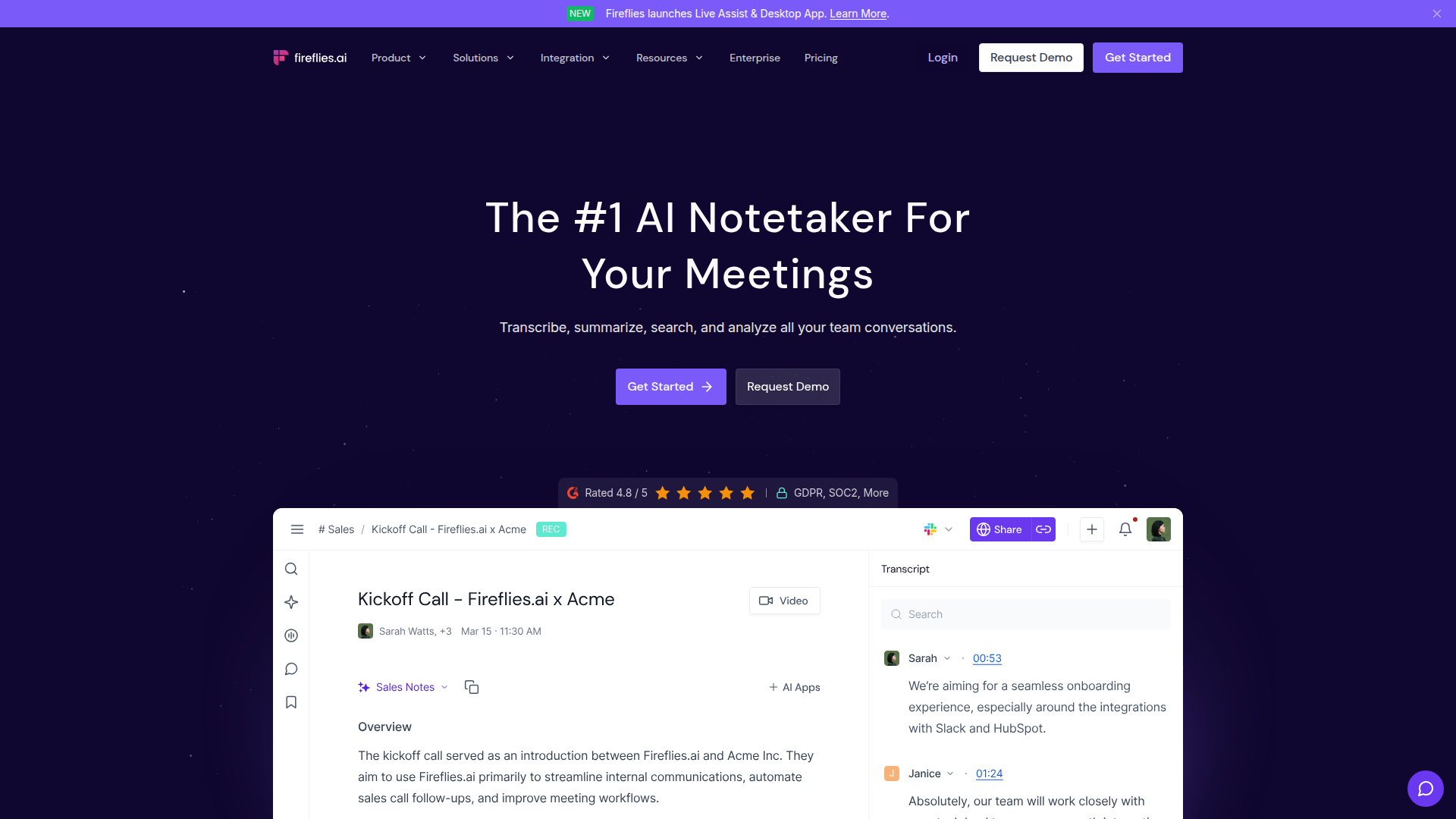
If you are still taking manual notes in meetings, you are losing data. Fireflies doesn't just transcribe; it uses AI to extract action items, sentiment, and specific objections.
What works great: After a sales call, it can automatically update your CRM and draft follow-up emails based on specific pain points. It ensures that nothing discussed in a meeting is ever forgotten.
The downside: Some high-level clients find AI "listeners" in a meeting to be off-putting or a privacy concern. You have to be transparent about how you use the data to maintain trust.
The Expert Value: Why You Need an Architect
Experimenting with these tools is a great way to see what is possible. But for most scaling companies, the challenge isn't "trying" a new tool—it's integrating it so it doesn't just become another tab open on your browser.
The real value isn't in the software; it's in the "pipes" that connect them to your revenue. You can have the best lead-gen tool in the world, but if it doesn't talk to your CRM and your sales team's calendar, it's just another expense.
We don't just recommend tools; we build the architecture of intent. We engineer the systems that allow these tools to work together on autopilot, turning isolated apps into a unified growth engine.
Don't just collect tools. Build an engine. If you are ready to stop managing "apps" and start managing an automated architecture, let's talk.